Trusted Deck Builders for Any Budget: Request Your Free Estimate
Locating a trustworthy deck builder who meets your financial needs can strongly affect the outcome of your deck project. Residential clients often experience obstacles in identifying the right specialist who can balance cost and craftsmanship. No-cost evaluations serve as a useful tool in this process, enabling a more accurate understanding of costs and options. Nevertheless, knowing what to look for in a contractor is crucial. The choices ahead can determine the outcome of your ideal outdoor space.
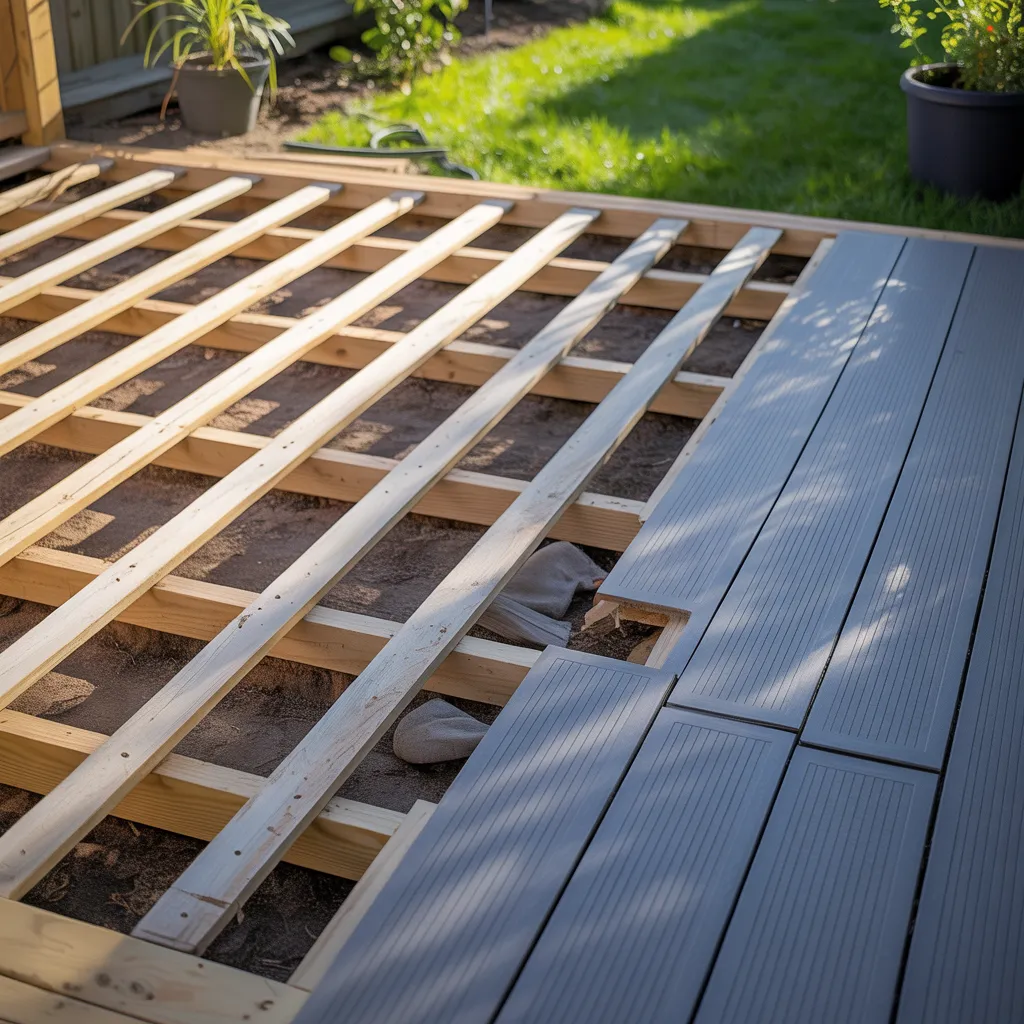
Why Picking the Right Deck Builder Makes a Difference for Your Distinct Project
To what extent does the choice of a deck construction professional impact the result of a construction project? The right deck builder can greatly influence both the standard and effectiveness of a building project. A qualified builder provides skill and expertise, making sure that the deck meets both structural and aesthetic requirements. They can offer valuable guidance into design possibilities, materials, and local building codes, which works to eliminate costly mistakes.
Moreover, a reliable builder has established relationships with suppliers, which can result in better pricing and access to premium materials. This can lead to a sturdier and more visually impressive finished product. In contrast, choosing an inexperienced or unreliable builder may lead to project delays, cost overruns, and disappointing outcomes. Thus, it is important to assess builders based on their experience, portfolio, and customer reviews. Picking the most suitable deck builder ultimately defines the project's quality and the homeowner's overall satisfaction.
What to Expect From Free Estimates
What can homeowners look forward to when requesting free estimates for their deck project? At first, they can expect a thorough assessment where deck specialists review their goals and preferences. Throughout this stage, homeowners should provide details about their desired materials, design, and size. Contractors will typically conduct a site visit to evaluate the site, taking into account elements like landscape and access points.
Homeowners ought to also look for a clear outline of expenses related to materials, labor, and additional features. Estimates typically include a range of alternatives, enabling homeowners to evaluate different price points and styles. Furthermore, a trustworthy contractor can provide projected schedules for finishing the project, enabling homeowners to organize their plans with confidence.
Ultimately, it is important for homeowners to ask questions and eliminate any confusion. This active participation helps ensure the estimate is consistent with their expectations, laying the foundation for a smooth and successful deck-building process.
How to Set Your Deck Budget
Figuring out a spending limit for a deck project can often be challenging for homeowners. To develop a realistic budget, it is essential to begin by examining personal financial limits and identifying how much can be budgeted without compromising other essential expenses. Property owners should consider the size, materials, and design of the deck, as these aspects considerably affect overall expenses.
Researching average prices in the local market can yield valuable insights, assisting in setting realistic expectations. Furthermore, homeowners should factor in potential extra costs, including permits, site preparation, and landscaping.
Building a structured list of elements can additionally help guide choices, enabling modifications based on financial limitations. Lastly, it is wise to maintain an allowance for unanticipated expenditures, providing financial adaptability throughout the project. Through these measures, homeowners can create a spending framework that corresponds with their objectives while remaining manageable.
Key Qualities to Seek in a Deck Builder
When selecting a deck builder, it is crucial to focus on expertise and experience to secure high-quality results. Furthermore, verifying that the builder holds the required licensing and insurance safeguards both the property owner and their investment. These qualities serve as essential signs of a reliable and skilled professional in the decking profession.
Knowledge and Experience
Selecting a skilled deck builder demands careful consideration of their background and skill set. A skilled builder will have a proven track record, showcasing a range of completed projects that highlight their skill level. This experience often translates into a deeper understanding of construction techniques, materials, and design, enabling the builder to handle unexpected challenges effectively.
Proficiency also covers understanding of the latest trends and industry standards in deck building, making certain that the end result is not only functional but aesthetically pleasing. Additionally, experienced contractors have greater knowledge of regional requirements and can manage the permitting process efficiently. Ultimately, choosing a deck contractor with considerable skill and knowledge can significantly improve the craftsmanship and resilience of the completed structure, providing peace of mind for homeowners.
Insurance and Licensing
A professional deck builder ought to always carry the appropriate licensing and insurance. This verifies that the builder observes local codes and industry requirements, providing peace of mind to homeowners. A license acts as confirmation of the builder's skills and devotion to quality work. Insurance, on the other hand, protects both the builder and the homeowner in the event of mishaps or property damage throughout the project. When selecting a deck builder, property owners should require documentation of these credentials. A lack of proper licensing or insurance may indicate potential risks, such as substandard work or financial exposure. Ultimately, choosing a certified and insured deck construction expert remains vital for a seamless and trouble-free project outcome.
Essential Questions to Ask Deck Builders
What essential knowledge can aspiring homeowners acquire by asking the appropriate questions of potential deck builders? Working with a deck builder entails more than merely receiving a bid; it demands insight into their skills and dependability. Homeowners ought to ask about the contractor's background and previous work, and also seek references to assess client satisfaction. It's important to clarify timelines, ensuring that deadlines align with the homeowner's expectations. Moreover, addressing warranties covering both materials and labor can deliver confidence. Homeowners should also ask about the subcontractors involved and their qualifications. Comprehending the billing arrangement, including initial deposits and concluding payments, is vital to preventing unexpected costs. In closing, homeowners should ask about required permits for the construction, confirming conformity with local building codes. By asking these inquiries, homeowners are empowered to make knowledgeable choices and choose a deck builder who fulfills their expectations.
Picking the Ideal Materials for Your Budget
When it comes to selecting deck materials, homeowners must evaluate the pros and cons of wood compared to composite materials. The long-term durability of materials is a key factor in this choice, as it impacts both maintenance expenses and the overall lifespan. Furthermore, looking into budget-friendly options can deliver cost-conscious choices without sacrificing quality.
Wood Versus Composite Materials
When deciding between wood and composite decking materials for constructing a deck, homeowners need to consider both aesthetics and budget constraints. Wood delivers a traditional, natural aesthetic and can be more affordable upfront. Yet, it demands regular maintenance, including staining and sealing, which may increase long-term expenses. On the other hand, composite decking, produced from a mixture of wood fibers and plastic, provide a low-maintenance alternative with an array of colors and finishes. Although composites typically require a larger upfront investment, they are resistant to fading and warping, making them attractive to homeowners seeking durability. In the end, the decision depends on personal preferences, willingness to perform upkeep, and overall budget planning, so homeowners must carefully evaluate these considerations before reaching a conclusion.
Long-Term Durability Considerations
Longevity serves as a key consideration in choosing the right materials for deck construction, especially for homeowners conscious of their budget. When evaluating available choices, wood and composite options come with their own set of strengths and weaknesses. Organic wood, despite its attractive appearance, necessitates routine maintenance to avoid decay, warping, and insect deterioration. On the other hand, composite materials deliver extended lifespan, withstanding discoloration and degradation with minimal care. Property owners should evaluate their regional weather conditions, since examine this material moisture and sun exposure can significantly affect material durability. Additionally, understanding the intended use of the deck is vital; high-traffic areas may necessitate sturdier options. Ultimately, the right choice balances initial investment with long-term performance, making certain that the deck continues to be useful and visually pleasing well into the future.
Cost-Effective Alternatives Available
Selecting the best choices for deck construction can considerably influence both visual appeal and finances. Residents seeking affordable alternatives often explore pressure-treated wood, which provides durability at a reduced price compared to luxury hardwoods. Composite options also offer a worthwhile option, blending recycled plastics and wood fibers for a extended-life solution that needs minimal maintenance. For individuals on tighter spending plans, treated plywood can act as an economical solution, though it may not endure the weather as well. Furthermore, vinyl decking is gaining popularity for its affordability and protection against rot and fading. By assessing these alternatives, homeowners can achieve a beautiful and functional deck without exceeding their financial limits, providing a smart investment for years to come.
Key Considerations for Evaluating Deck Builder Proposals
In what ways can homeowners thoroughly review deck builder proposals to confirm they are making the optimal decision? As a starting point, it is advisable to compare numerous estimates while examining differences in costs, materials, and scheduled completion times. A thorough itemization of expenses makes it easier to understand what is covered and enables more meaningful comparisons. Furthermore, assessing the contractor's experience and professional reputation is a vital step; reaching out to references and exploring online reviews reveals important details about their trustworthiness and skill level.
Homeowners should also confirm that proposals contain essential permits and warranties, as these elements can significantly affect overall long-term satisfaction. It is recommended to inquire about the construction process and material options, ensuring alignment with the homeowner's vision and budget. Lastly, transparent communication is essential; proposals should be simple and absent of confusing terminology, indicating the builder's commitment to transparency. By following these steps, homeowners can arrive at a knowledgeable choice when identifying a deck builder that fulfills their expectations.
How to Prepare for Your Deck Installation Day
The day of deck installation is often both exciting and overwhelming for many homeowners. Adequate preparation can reduce stress and ensure a seamless process. First, homeowners should remove any furniture, plants, or obstacles from the installation area to ensure the builders have unobstructed access. This not only facilitates the work but also protects existing landscaping.
Additionally, homeowners should discuss particular preferences or worries to the deck builders, making sure everyone is on the same page. It proves advantageous to have a designated space for equipment and supplies, which keeps things organized throughout the build.
Additionally, homeowners ought to get ready for possible noise and activity by notifying neighbors ahead of time. As a final consideration, putting a plan in place for pets and children while installation is underway is key to safety and minimizing disruptions. By following these measures, homeowners can establish a favorable environment for the deck builders, ensuring the process is smooth and productive.

Common Questions and Answers
What Kind of Decks Are Available to Choose From?
Homeowners can choose from numerous deck options, including wood, composite, aluminum, and PVC. Each option delivers its own set of benefits, such as durability, maintenance requirements, aesthetics, and cost, allowing for personalized outdoor spaces tailored to individual preferences.
What Is the Typical Duration of a Deck Installation?
A standard deck installation usually spans between one and two weeks, subject to the size and complexity of the project. Climatic conditions and material supply can also affect the overall schedule for project completion.
Is a Permit Required for Deck Construction?
Yes, permits are typically needed for deck construction. Local building authorities commonly require homeowners to acquire permits to ensure compliance with zoning laws, safety standards, and building codes, upholding structural integrity and neighborhood aesthetics.
What Warranties Are Typically Offered by Deck Builders?
Deck contractors commonly provide warranties that address materials, workmanship, and structural integrity, usually spanning one to ten years. Such warranties offer protection against defects and deliver homeowners reassurance about their investment.
Can I Customize My Deck Design?
Indeed, deck designs are often able to be customized to accommodate unique needs. Many builders cooperate directly with customers to include custom features, materials, and layouts, ensuring the finished result reflects the property owner's desires and specifications.